

Keeping a home clean does not have to mean spending every free hour scrubbing, wiping, and organizing. Sometimes, a few smart adjustments can make everyday chores faster and easier. The best cleaning hacks often rely on simple household items, practical routines, and small changes in how you approach common messes.

Whether you are looking for useful cleaning tips, new cleaning ideas, or house cleaning tips that can simplify your routine, these 20 suggestions are worth trying. Some help tackle stubborn dirt, while others prevent messes from becoming bigger problems.
Clean Every Room from Top to Bottom
Start with higher surfaces, such as shelves, ceiling fans, and countertops, before moving to furniture and lower areas. Finish by vacuuming or washing the floors. This order prevents dust and crumbs from landing on surfaces you have already cleaned. Among the simplest cleaning hacks for home, this one can save time every time you tidy a room.
Give Cleaning Products Time to Work
Some cleaning products need contact time to loosen grime or work as intended. Instead of spraying and immediately wiping, read the label and allow the product to sit for the recommended period. Never assume that leaving a cleaner on a surface longer will produce better results. Following the instructions is one of the most useful cleaning tips for safe and effective cleaning. If you would rather leave the tough cleaning to professionals, Superb Maids also offers deep cleaning services to help tackle stubborn buildup and save you time and effort.
Remove Pet Hair with a Rubber Squeegee
Pet hair can be difficult to remove from carpets and rugs with a regular vacuum alone. Try running a clean rubber squeegee across the surface using short strokes. The rubber edge gathers loose hair into clumps that are easier to pick up. Use gentle pressure and test the tool on a small area first, especially on delicate carpet fibers.

Freshen Your Microwave with Lemon
Cut a lemon in half and place it in a microwave-safe bowl filled with water. Heat the bowl for several minutes until the water produces plenty of steam. Let it sit briefly, then carefully remove the bowl and wipe the interior. The steam softens dried food, while the lemon helps reduce lingering odors. This is one of those simple cleaning tricks that makes a routine kitchen task easier.
Declutter Before You Start Cleaning
Cleaning around piles of clothes, papers, and miscellaneous belongings takes extra time. Before wiping surfaces or vacuuming, put items back where they belong and remove anything you no longer need. Making decluttering part of your routine is one of the most practical cleaning tips and tricks because it gives you clear surfaces and makes the actual cleaning process more efficient.
Pick Up Broken Glass Carefully
Never use your bare hands to collect broken glass. Put on sturdy shoes and protective gloves, then use a piece of cardboard to gather the larger fragments. Carefully pick up smaller pieces with damp paper towels. Place everything in a rigid, sealed container before disposal, following your local waste guidelines. Keep children and pets away until the area is completely clear.
Use the Right Cleaner for Silver
Tarnished silverware and decorative pieces need a suitable silver cleaner rather than an improvised household solution. Follow the product instructions and check whether the item is solid silver, silver-plated, or has a special finish. Use a soft cloth to avoid scratches. Testing the product on a discreet area first can help prevent accidental damage.
Remove Showerhead Buildup with Vinegar
Mineral deposits can gradually block showerhead openings and affect water flow. If the manufacturer's instructions allow it, soak a removable showerhead in a mixture of equal parts white vinegar and water. Rinse it thoroughly afterward. Avoid this method on finishes that may react to vinegar, and never mix vinegar with bleach or products containing chlorine.
Keep the Bottom of Your Trash Can Dry
Leaking garbage bags can leave unpleasant liquid at the bottom of a trash can. After washing and drying the bin, place a few sheets of newspaper or absorbent paper towels underneath the liner. They can help catch small leaks and make cleanup easier. Replace the paper whenever it becomes damp or dirty.
Grease Buildup on Kitchen Cabinets
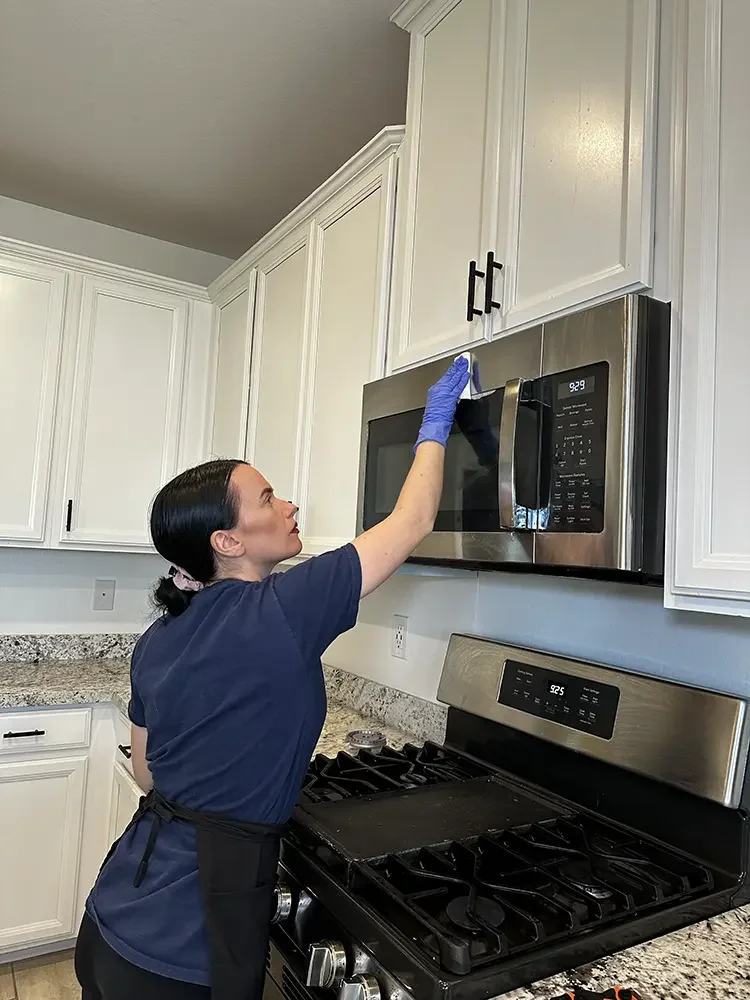
The tops of kitchen cabinets often get overlooked, but cooking releases grease particles that settle on these surfaces, mixing with dust and creating a sticky layer. Here's a simple method worth trying:
Cover the greasy areas with warm, damp towels to soften the residue. Apply a degreaser and let it sit briefly, then wipe everything down with a microfiber cloth, rinsing it regularly. Finish with a clean, damp cloth to remove any product residue and dry the surfaces thoroughly.
Dust Blinds with a Dryer Sheet
Some dryer sheets can help collect loose dust from compatible blind surfaces. Gently wipe each slat with a clean, dry sheet, working from one end to the other. Before treating the entire window, test a small hidden section to make sure the material and finish are not affected.
Clean Grill Grates After Cooking
Food residue is usually easier to remove before it has time to build up. Once the grill has cooled enough to handle safely, use a grill brush designed for your type of grate. Some people also use half an onion held with long-handled tongs on warm grates. Always follow the grill manufacturer's safety instructions.
Check Your Dishwasher Filter Regularly
Food particles can collect in the dishwasher filter and contribute to unpleasant odors or poor cleaning results. Check your appliance manual to find out how to remove and clean it. Rinse the filter under warm water and use a soft brush if needed. Avoid abrasive tools that could damage its surface.
Vacuum Dust from Air Vents
Dust often settles on the outside of heating and cooling vents. Use a vacuum cleaner with a soft brush attachment to remove loose buildup from accessible grilles. Turn the system off first if recommended by the manufacturer. Avoid reaching inside ductwork or touching electrical components.
Fold Microfiber Cloths into Sections
A microfiber cloth can provide several clean wiping surfaces if you fold it into quarters. As one section becomes dirty, turn the cloth to use another. This simple approach helps prevent you from spreading dust and residue across furniture, counters, and other surfaces. It is a small change that can improve everyday house cleaning.
Remove Limescale from Your Kettle with Lemon
Even if you use your kettle only to boil fresh water, mineral deposits can gradually build up on its interior walls and heating element. If your kettle's manufacturer allows natural descaling methods, lemon may help remove light mineral deposits. To help loosen the buildup, cut a fresh lemon into several thin slices, place them inside the kettle, and fill it with water. Bring the water to a boil, then let it sit for a little while to give the citric acid time to work on the deposits. Next, pour out the water, gently wipe away any loosened residue with a soft sponge, and rinse the kettle thoroughly with clean water. Before using it again, make sure no lemon pieces or mineral residue remain inside.
Freshen Carpets with Baking Soda
Baking soda can help absorb some unwanted odors from carpets. Sprinkle a light, even layer over a suitable carpet, leave it for the period recommended by the product or appliance instructions, and vacuum thoroughly. Test an inconspicuous area first and check your vacuum manufacturer's guidance before using powders on the carpet.
Refresh Wooden Cutting Boards with Lemon and Salt
For a wooden cutting board that has developed food odors, sprinkle coarse salt over the surface and rub it gently with half a lemon. Rinse the board, then dry it promptly. Do not soak wooden boards or leave them standing in water. This method can help freshen the surface, but it should not replace proper washing and food-safety practices.
Clean Windows with a Vinegar Solution
For some glass surfaces, a simple mixture of two parts water and one part white vinegar can help remove everyday marks. Apply it with a spray bottle and wipe using a lint-free cloth. Avoid using vinegar on natural stone, delicate finishes, or any surface whose manufacturer advises against acidic cleaners

Treat Small Stains with Diluted Dish Soap
A small stain on a washable fabric or suitable carpet may respond to a little dish soap diluted in water. Check the care instructions and test the solution in a hidden area first. Blot gently with a clean cloth instead of rubbing, which can push the stain deeper or damage fibers. Remove soap residue according to the material's care requirements.
Make Your Cleaning Routine Easier
You do not need to try all 20 suggestions at once. Start with a few that address the messes you deal with most often, then build the methods that work into your regular schedule. The most effective cleaning ideas are the ones you can use consistently without making household chores more complicated. And when you need extra help, Superb Maids provides high-quality professional cleaning services to make your life easier, give you more time for what matters, and help you enjoy a cleaner, more comfortable home.
With a combination of practical cleaning tips and tricks, the right products, and a little planning, maintaining a comfortable home can become much more manageable.