

Dust can return to shelves, floors, and furniture only a day or two after cleaning. In Las Vegas, dry desert conditions, wind, and outdoor soil make this problem particularly noticeable. However, not everything comes from outside. Fibers, pet hair, skin cells, and other household materials also contribute to indoor buildup.
Learning how to reduce dust in house environments requires more than frequent wiping. The most effective approach combines preventing outdoor particles from entering, using suitable cleaning equipment, and maintaining areas that are often overlooked. These practical steps will help you maintain a more comfortable home and improve indoor air quality.
Why Does Your House Get So Dusty?
Household dust comes from several sources, both inside and outside. Understanding them makes it easier to choose the right prevention methods.
Dead skin cells and hair. People naturally shed skin cells and hair throughout the day. These particles settle on furniture, floors, bedding, and other surfaces.
Pet dander and fur. Animals release tiny skin flakes and shed hair. Pet dander can remain suspended in the air before settling on household surfaces.
Pollen and outdoor dirt. Air entering through windows, doors, and ventilation systems can carry pollen, soil, and fine particles from outside.
Clothing and fabric fibers. Carpets, upholstery, blankets, and clothing release small fibers through everyday use.
Dust mites. These microscopic organisms live in mattresses, bedding, carpets, and upholstered furniture. Their waste products and body fragments can contribute to household allergens.
Dirt entering through doors, windows, and small gaps. Foot traffic, wind, and poorly sealed openings allow outdoor particles to enter and accumulate indoors.
According to the U.S. Environmental Protection Agency (EPA), indoor particulate matter can originate from outdoor air, biological materials, cooking, and everyday household activities.
How to Prevent Dust from Entering Your Home
Reducing the amount of outdoor dirt that gets inside makes routine maintenance easier. A few changes around entry points can prevent dust buildup before it spreads throughout the property.
Use Doormats and Remove Shoes at the Entrance
Place durable doormats outside and inside every frequently used entrance. They catch soil, sand, and debris before these materials reach your floors. Ask household members and visitors to remove their shoes indoors. Clean the mats regularly, since dirty ones can become another source of particles. Periodically, a thorough deep cleaning can help remove accumulated dirt and debris from areas that routine maintenance may miss.
Keep Windows and Doors Closed on Windy Days
Strong winds can carry desert soil, pollen, and fine airborne particles into your home. Keep windows and exterior doors closed when outdoor conditions are particularly dusty. Check local air quality reports before opening windows for ventilation.
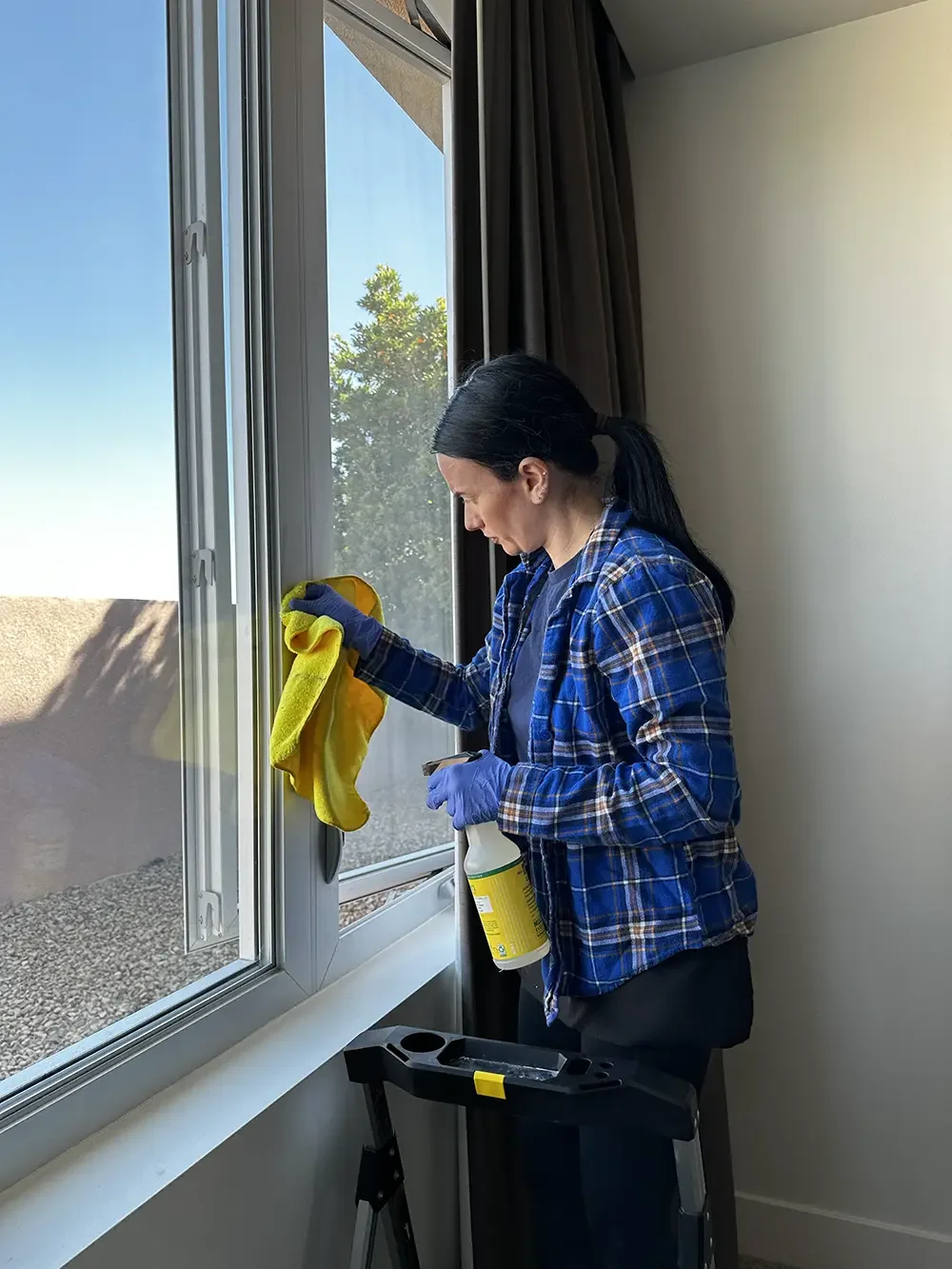
Clean Window Screens Regularly
Screens collect pollen, dirt, and other outdoor debris. When air passes through dirty screens, some particles may enter the living space. Remove screens when appropriate and wash them gently with water and a soft brush. Let them dry completely before reinstalling.
Seal Gaps Around Windows and Doors
Inspect weatherstripping, door sweeps, and window seals for cracks or worn sections. Replace damaged materials to limit unwanted air infiltration. Proper sealing helps minimize dust in house environments while allowing your cooling system to operate more efficiently during hot Las Vegas summers.
The impact of dust on human health
Household particles are not all equally harmful. Larger particles often settle quickly, while smaller airborne particles can travel deeper into the respiratory system.
The EPA identifies several potential health effects associated with particulate matter exposure, including irritation of the eyes, nose, and throat, reduced lung function, and aggravated asthma symptoms. People with existing respiratory or cardiovascular conditions may be more vulnerable.
Biological materials, including pollen, pet dander, and dust mite allergens, can also trigger allergic reactions. Children may have greater contact with settled particles because they spend more time playing close to the floor.
Reducing indoor particle levels is therefore not just an aesthetic concern. Knowing how to control dust in house environments involves regular maintenance, suitable air filtration, and limiting outdoor sources. These measures can help reduce exposure and support better indoor air quality.
Clean Dust from Floors
Floors collect material brought in from outside, as well as hair, fabric fibers, and particles that settle from the air. A consistent floor care routine helps prevent this debris from spreading into other rooms.
Vacuum Carpets and Rugs Regularly
A vacuum fitted with a genuine HEPA filter can capture very small particles and reduce the amount escaping through its exhaust. Vacuum carpets and area rugs at least once a week. High-traffic entrances, living rooms, and homes with pets may require more frequent attention.
Move lightweight furniture when possible to reach hidden areas underneath. Carpet fibers can hold particles that ordinary surface cleaning cannot remove.
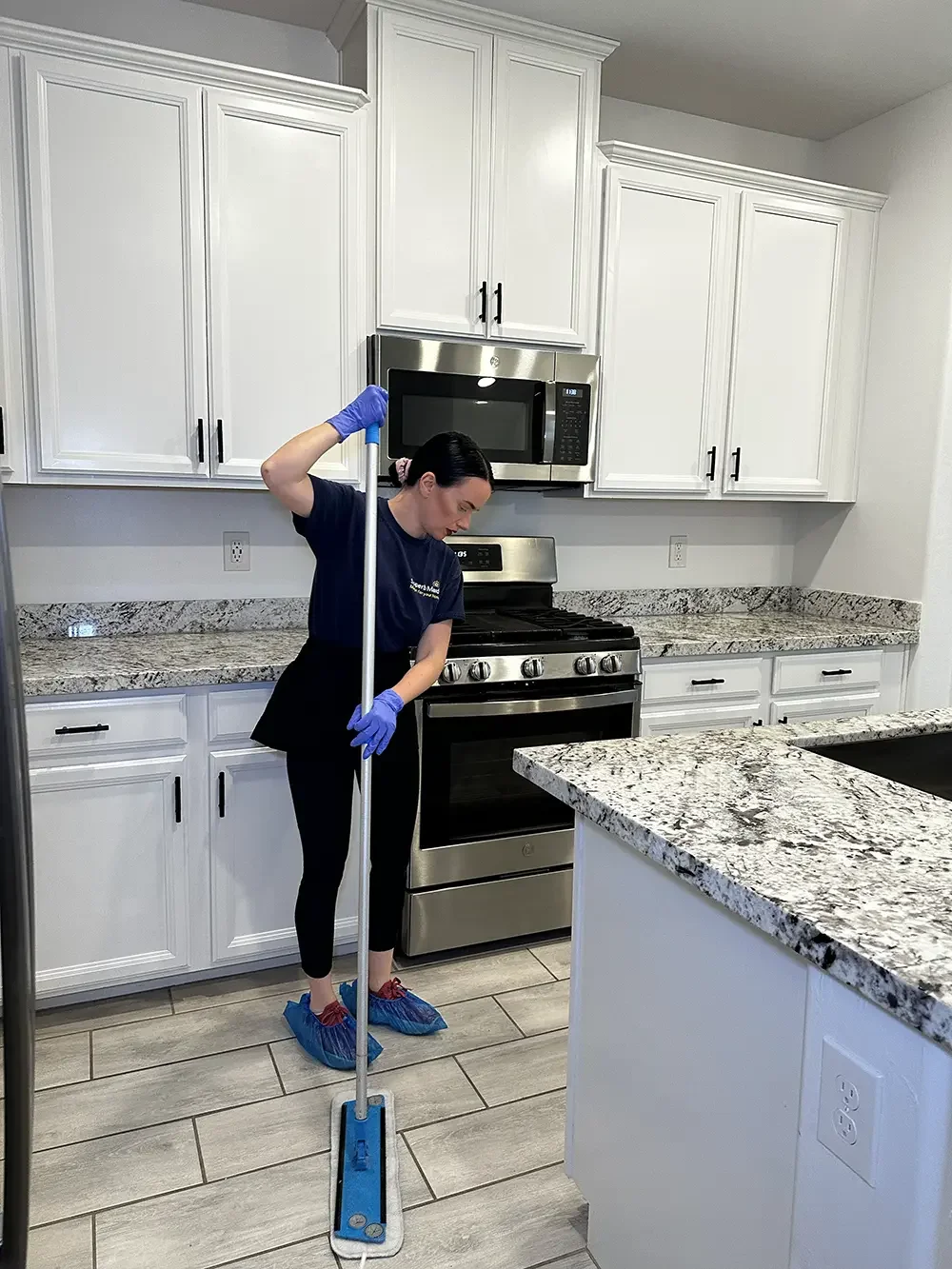
Use slow, overlapping passes to give the vacuum enough time to collect debris and minimize dust in house environments. If you don't have time for this kind of thorough, regular cleaning, Superb Maids offers recurring house cleaning services in Las Vegas and Henderson.
Mop Hard Floors After Vacuuming
Tile, laminate, and hardwood floors benefit from vacuuming or another suitable dry particle collection method before wet cleaning. Follow with a damp microfiber mop to pick up remaining fine debris.
Avoid excessive water, especially on hardwood and laminate, since moisture can damage these materials. Follow the flooring manufacturer's care instructions.
Remove Dust from Furniture and Upholstery
Sofas, armchairs, and mattresses can hold hair, skin flakes, and fabric fibers. Vacuum upholstered surfaces regularly using a soft brush or upholstery attachment.
Pay attention to seams, cushions, and spaces between furniture sections. For mattresses, follow the manufacturer's cleaning instructions and avoid applying excessive moisture.
Don't Forget Hidden Areas Where Dust Accumulates
Some locations receive little attention during routine housekeeping. Unfortunately, these areas can hold substantial amounts of outdoor dirt and indoor debris.
Clean Sliding Door and Window Tracks
Sliding door and window tracks deserve special attention in desert environments such as Las Vegas. Fine sand and dry soil can enter through small openings and collect inside narrow channels.
Over time, accumulated debris may interfere with smooth door movement and make the tracks harder to maintain. To help prevent dust in house environments, use a vacuum crevice attachment to remove loose particles, then wipe the channels with a damp microfiber cloth. A soft brush or old toothbrush can help reach corners and grooves.
Remove Dust from Ceiling Fans and Light Fixtures
Ceiling fan blades collect particles that can fall onto furniture and floors when the fan operates. Turn off the power before cleaning. Use a slightly damp microfiber cloth or a specially designed fan-blade cleaner.
Wipe light fixtures, lampshades, and other elevated surfaces carefully. Clean these areas before vacuuming or mopping the floor.
Clean Air Vents, Registers, and Baseboards
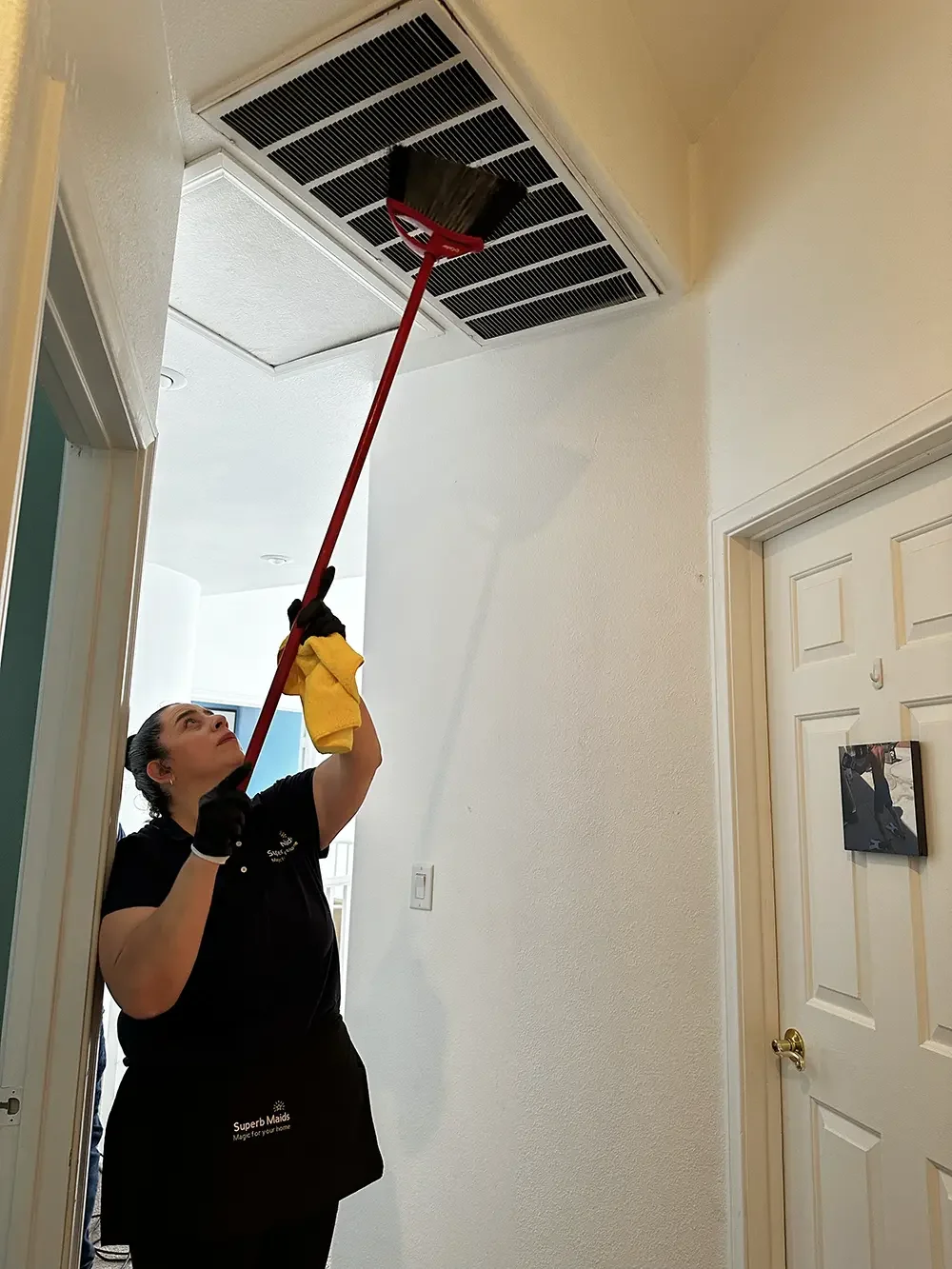
Vent covers and return-air grilles collect airborne debris as air circulates through the home. If you are sensitive to air quality, opt for eco-friendly cleaning methods whenever possible. Vacuum them with a brush attachment and wipe the accessible surfaces. Replace HVAC filters according to the system manufacturer's recommendations.
Baseboards also collect particles, particularly near entrances and furniture. Wipe them with a damp cloth during regular housekeeping.
Don't Forget Blinds, Curtains, and Window Sills
Blinds have narrow surfaces where fine particles settle easily. Use a microfiber duster or a vacuum brush attachment to clean individual slats.
Wash curtains according to their care labels. Wipe window sills regularly, especially after windy weather, since outdoor soil and pollen can collect there.
Reduce Dust from Bedding, Clothing, and Pets
Soft materials are important household dust sources. Regular fabric care and pet grooming help reduce the amount of debris circulating indoors.
Wash Bedding and Blankets Regularly
Wash sheets, pillowcases, and frequently used blankets once a week. Use the warmest water permitted by the fabric care instructions and dry everything thoroughly.
The National Institute of Environmental Health Sciences recommends weekly washing of bedding in hot water at 130–140°F (54–60°C) to help control dust mites. Mattress and pillow covers designed to block allergens provide additional protection.

Groom Pets Regularly
Brush dogs and cats regularly to remove loose fur before it spreads across furniture and floors. When practical, groom pets outdoors or in an easily maintained area.Wash pet bedding frequently and vacuum their favorite resting places.
How to Reduce Dust in Las Vegas Homes
Desert conditions create specific housekeeping challenges. Dry soil, wind, and outdoor construction activity can increase the amount of material entering residential properties. To control it effectively:
Inspect window and door seals. Replace worn weatherstripping and damaged door sweeps to limit unwanted entry points.
Maintain window screens and tracks. Check them regularly, especially after windy days, and remove accumulated sand before it spreads indoors.
Clean entrance areas frequently. Vacuum or sweep entryways and nearby floors more often when outdoor conditions are dusty. Wash doormats regularly.
Choose ventilation times carefully. Opening windows during strong winds or periods of elevated outdoor particle pollution can increase indoor exposure. Check local conditions before ventilating.
A consistent cleaning schedule also matters. Superb Maids can help homeowners maintain their properties through professional housekeeping, addressing commonly overlooked surfaces and areas that require regular attention. Getting help from a cleaning company offers a number of benefits and can make your life easier. Combining scheduled professional visits with simple daily habits makes it easier to maintain a comfortable living environment.

Frequently Asked Questions
-
Several factors contribute to rapid accumulation: outdoor soil entering through doors and windows, pet hair, fabric fibers, skin flakes, and particles released during everyday activities. Learning how to keep dust out of house environments starts with sealing openings, limiting outdoor debris, and maintaining a consistent cleaning routine.
-
It can. Outdoor air carries soil, pollen, and airborne particles, particularly during windy weather. Opening windows when outdoor pollution or dust levels are high may increase indoor particle concentrations. Choose calmer periods with better air quality for ventilation.
-
To reduce dust in house environments, wipe frequently used surfaces at least once or twice a week. High-traffic areas, homes with pets, and properties exposed to substantial outdoor debris may need more frequent attention. Bedding should generally be washed weekly, while vents, ceiling fans, and other elevated surfaces need periodic maintenance.
-
Yes. A properly sized air purifier with a HEPA filter captures airborne particles as air passes through the device. It can help reduce suspended debris, pollen, and pet dander. However, it does not remove material already settled on floors, furniture, or bedding. Regular surface cleaning remains necessary.
-
Use a slightly damp microfiber cloth for surfaces and a HEPA-filtered vacuum for floors and upholstery. Work from higher surfaces down toward the floor, then vacuum and mop as appropriate. This approach collects particles instead of repeatedly redistributing them throughout the room.